In this guide, I’ll walk through how we chose our destinations, decided between a group tour or independent travel, booked trains between cities, and found centrally located hotels that made exploring Europe much easier.
If you’re thinking about planning your first trip to Europe but aren’t sure how to begin, you’re definitely not alone.
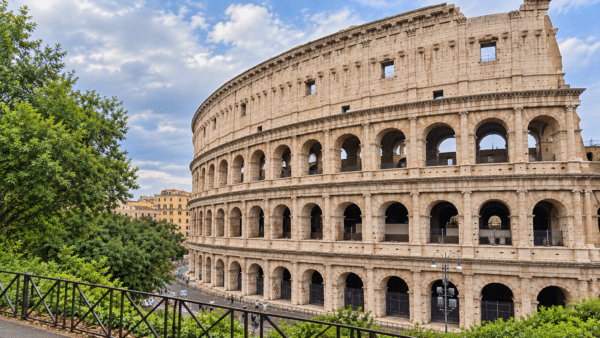
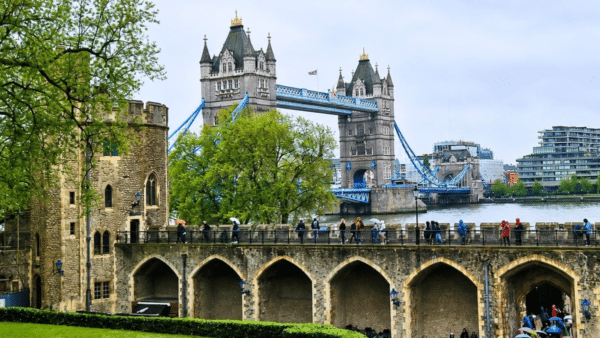
When we started planning our first Europe trip, we knew we wanted to visit iconic places like London and Paris – and hopefully somewhere along the Mediterranean coast – but we quickly realized there were a lot of details to figure out.
Flights, trains, hotels, transportation, and how to travel between countries without driving all became part of the planning process.
We considered the advantages of booking a group tour and how it could simplify everything.
But after doing research, watching travel videos, and learning more about Europe’s train system, we realized we could plan the trip ourselves – and actually have a lot more flexibility doing it. Traveling Europe by train ended up being one of the easiest parts of planning our multi-city itinerary.
Here’s exactly how we mapped out our first multi-city Europe trip by train – and the tips that helped make the process much easier.
Step 1: Start With a Bucket List of Destinations
Before worrying about logistics, we kept it simple.
We made a list of:
- Countries we were interested in
- Cities we had always thought would be amazing to visit someday
- Areas around the Mediterranean
That list quickly turned into a rough route:
- London
- Paris
- South of France (we chose Nice)

We also considered how many days we realistically had for the trip, including travel days to and from Europe.
This step helps you:
- Avoid overplanning too early
- See natural geographic groupings
- Start visualizing your trip
Tip: Don’t try to do too much. 2–3 cities is perfect for a first trip.
Step 2: Decide – Group Tour or Independent Travel?
Next consider if you want to take a group tour or independent travel.
Since both travel styles have advantages, this became one of the biggest decisions we had to make while planning our first Europe trip.
What to consider for a group tour:
- Less stress planning logistics
- Hotels and transportation are usually included
- Helpful for first-time international travelers
- Opportunity to meet other travelers
What to consider for independent travel:
- Planning all the logistics, tickets, hotels and transportation (choosing central locations make it easy to get to nearby attractions)
- Total flexibility
- Ability to move at our own pace
- Freedom to change plans if needed
For example, if you wake up tired or decide you want a slower day, you are not tied to a strict group schedule.
That said, group tours do offer some real advantages – especially for first-time travelers to Europe.
Many tours now include:
- Free time to explore on your own
- Optional excursions and activities
- Built-in transportation between cities
- Local guides and cultural insights
For some travelers, having the major logistics handled can make the trip feel far less intimidating.
Our takeaway:
If you enjoy planning and want maximum flexibility, independent travel can be incredibly rewarding. But if you prefer a more structured experience or want help navigating multiple countries, a group tour can be a great option too.
Read about our first group tour experience, including tips on how to choose the right Europe tour for your travel style.
Step 3: Figure Out How You’ll Get Between Cities
This is where everything started to click for us.
We knew:
- We didn’t want to drive
- We wanted something easy and efficient
That’s when we discovered Europe’s train system.
While train travel in Europe was much easier than we expected, there was still a learning curve figuring out stations, luggage, and different ticket systems the first time. Another plus – you don’t have to arrive two hours early like at an airport.
Tip: Your tickets may need to be validated at the gates or onboard during the trip. Check with your train service for validation rules.
London to Paris on the Eurostar
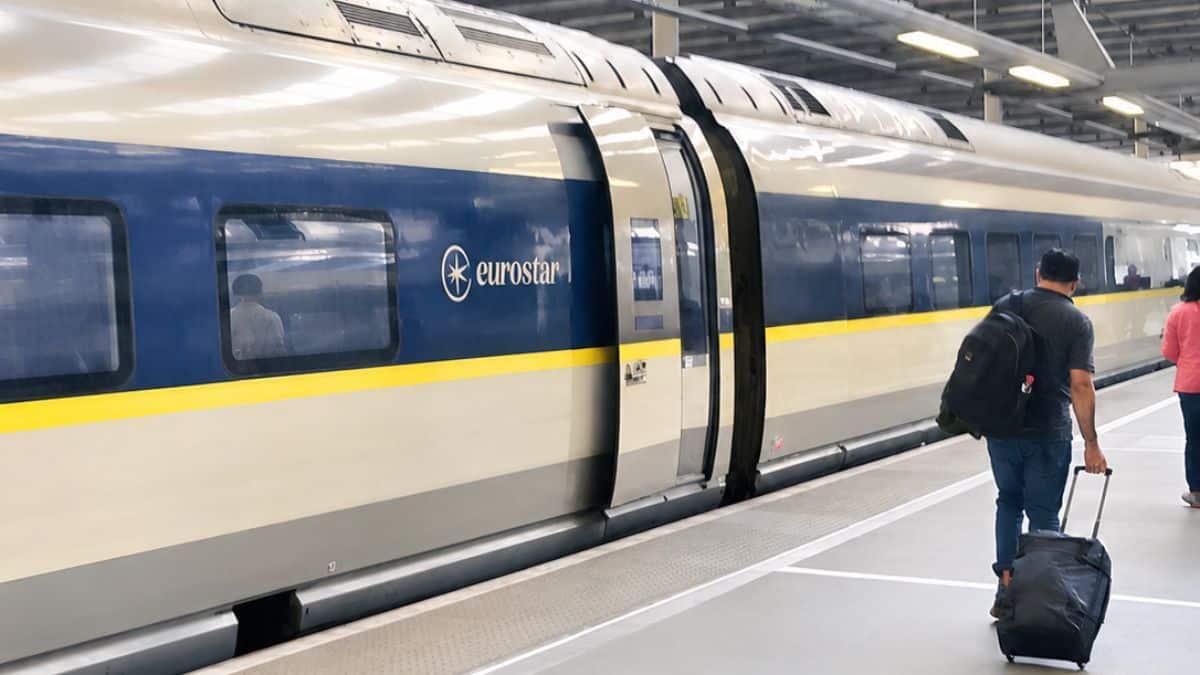
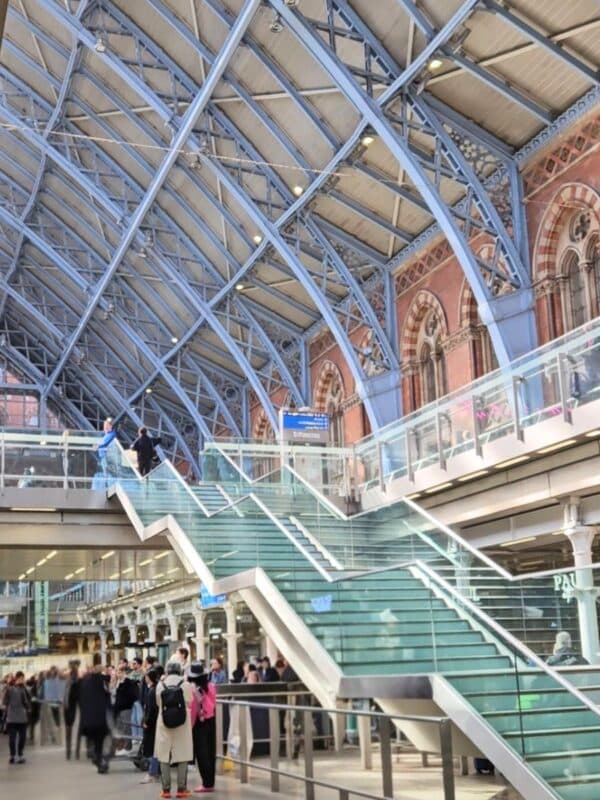
Taking the Eurostar from London St. Pancras Station to Paris was honestly one of the highlights of our trip.
We booked our London to Paris train directly through the official Eurostar website, which made it easy to compare schedules and choose seats.
- High-speed train (about 2.5 hours from London to Paris)
- Goes under the English Channel
- City center to city center
- No airport stress
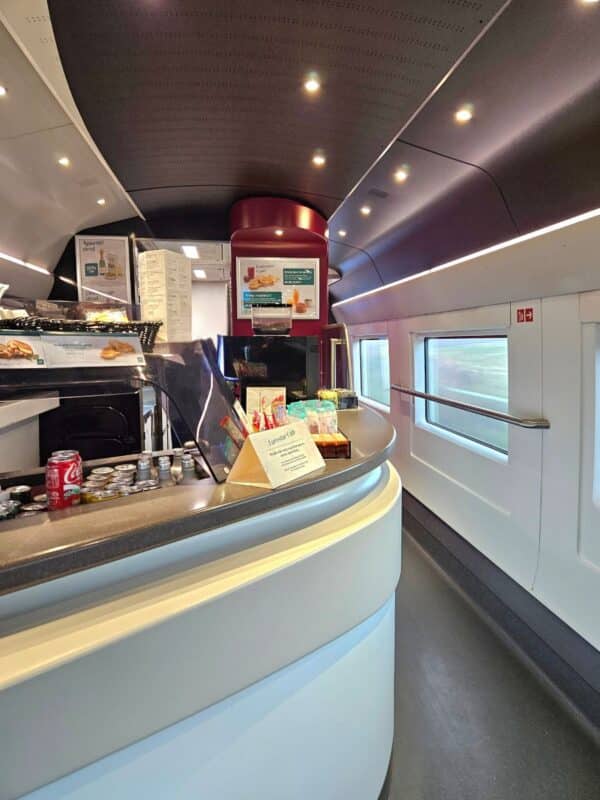
- There’s a food car for snacks and drinks
Paris to South of France by High-Speed Train
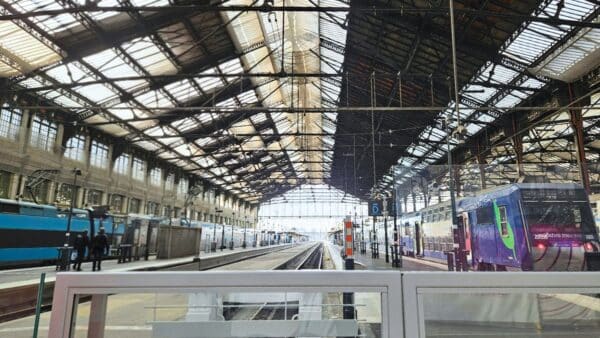
From Paris Gare de Lyon station, we took a high-speed train to Nice using France’s rail system (SNCF).
- Fast and comfortable
- Easy online booking
- Beautiful scenery
Hillside village and church view from our SNCF train to the South of France.

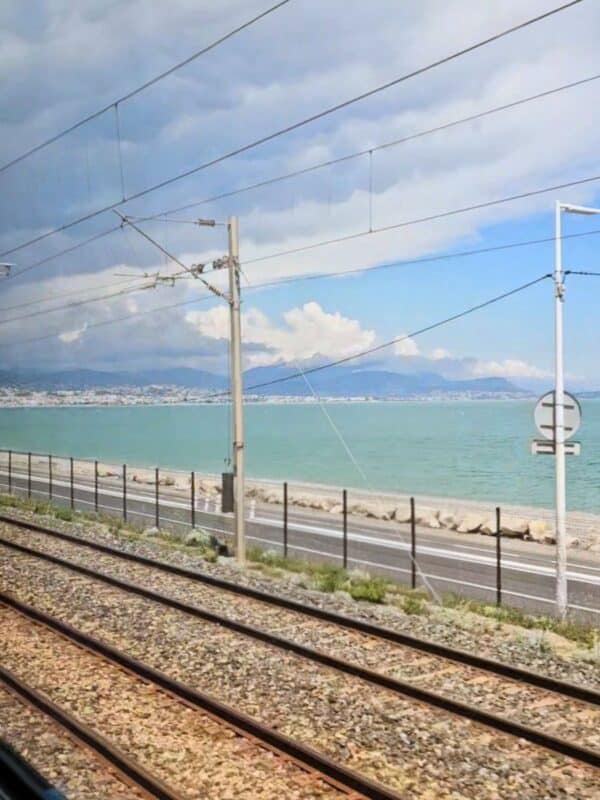
View of the Côte d’Azur coastline from our train near Nice, France.
For trains within France, we used SNCF Connect to book our Paris to Nice high-speed train tickets.
SNCF offers two types of high speed trains – TGV INOUI (Premium service) and OUIGO (lower-cost service).
Booking Tip:
Use official train websites when possible and book as soon as your plans are set – to get better fares.
- Eurostar for London to Paris
- SNCF Connect for travel within France
Tip: Some trains have 2 levels and different seating classes. The second level gives you great views (you can carry your luggage up the stairs to the luggage area closest to your seats).
Step 4: Choose Central Locations for hotels (This Was a Game-Changer)
We didn’t realize how important this was until we got there.
In London:
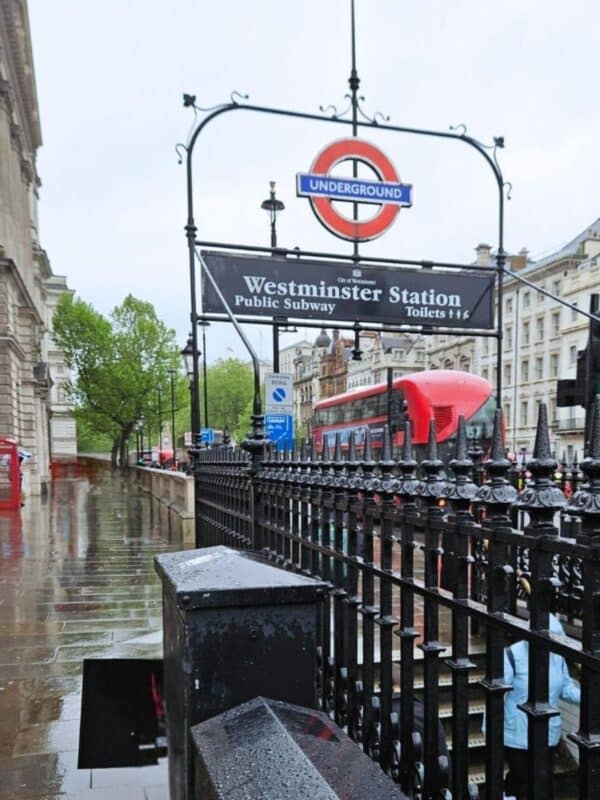
We stayed near Westminster
✔ Walkable to major sights
✔ More expensive – but worth it
In Paris:
We chose the Saint-Germain area (Saint-Germain-des-Prés)
Why we loved it:
- Quieter, more relaxed vibe
- Boutique hotels with charm
- Walkable to the Seine and major sights
- Easy evening strolls to see the city lights
This made our trip feel more immersive – not just touristy.
Step 5: Book the Essentials First
Once we had our route, we focused on locking in the key pieces.
Your booking checklist:
- Flights
- Inter-city trains
- Hotels (central locations!)
- Major attractions & museums
Don’t Skip This: Book Attractions in Advance
This is one of the biggest lessons we learned.
Popular sites in cities like Paris and London can have very long lines.
Book ahead for:
- Museums
- Observation decks
- Major landmarks
It saves time – and honestly makes your days way less stressful.
Step 6: Plan How You’ll Get Around Each City
One of the biggest surprises?
How easy public transportation is in Europe.
Tools we used constantly:
- Google Maps
- Citymapper app
These apps show:
- Exact routes
- Train/metro timing
- Walking directions
What to expect:
- Clean, efficient metro systems
- Walkable cities
- Minimal need for taxis
Tip: You can use taxis and rideshares in these cities if needed.
In Nice, when our sightseeing bus to Eze Village was delayed, we had the best Uber ride ever – up the cliffside roads of the Grande Corniche overlooking the blue Mediterranean.
Step 7: Learn From Others (But Keep It Fun)
We didn’t just research – we enjoyed the process.
We:
- Watched travel YouTubers
- Read guides like Rick Steves
- Saved ideas as we went
This helped us:
- Discover neighborhoods
- Set realistic expectations
- Get excited about the trip
Extra Tips We’re Glad We Knew
Here are a few things that made a big difference:
- Pack light (you’ll be lifting luggage on trains and stairs)
- Check passport validity early
- Build in downtime (don’t overpack your itinerary)
- Plan evenings loosely (some of our best moments were spontaneous walks)
- Expect small hotel rooms & elevators (especially in Paris!)
Final Thoughts
Planning our first Europe trip felt intimidating at first – but once we broke it into steps, it became exciting instead of stressful.
Choosing independent travel gave us the freedom to:
- Explore at our own pace
- Adjust plans when needed
- Experience each city more personally
And honestly? Taking that first train from London to Paris is something we’ll never forget.
For more Europe travel tips see my post: First Trip to Europe Tips: Top Questions Answered. Updated for 2026 Travel – includes EES border system and UK ETA requirements.